The architectural competition for the Tallinn City Museum’s Open Collections building won by Kavakava
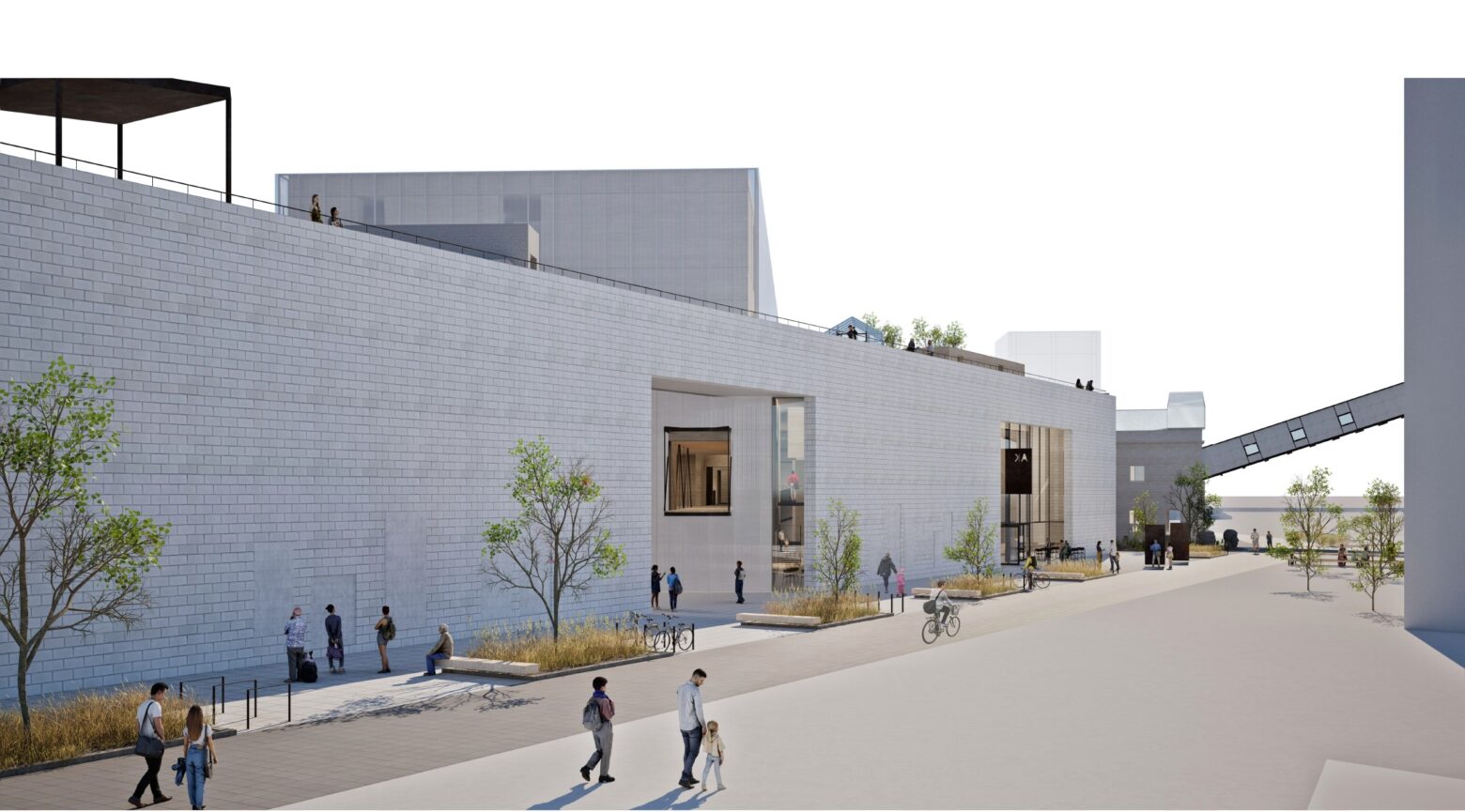
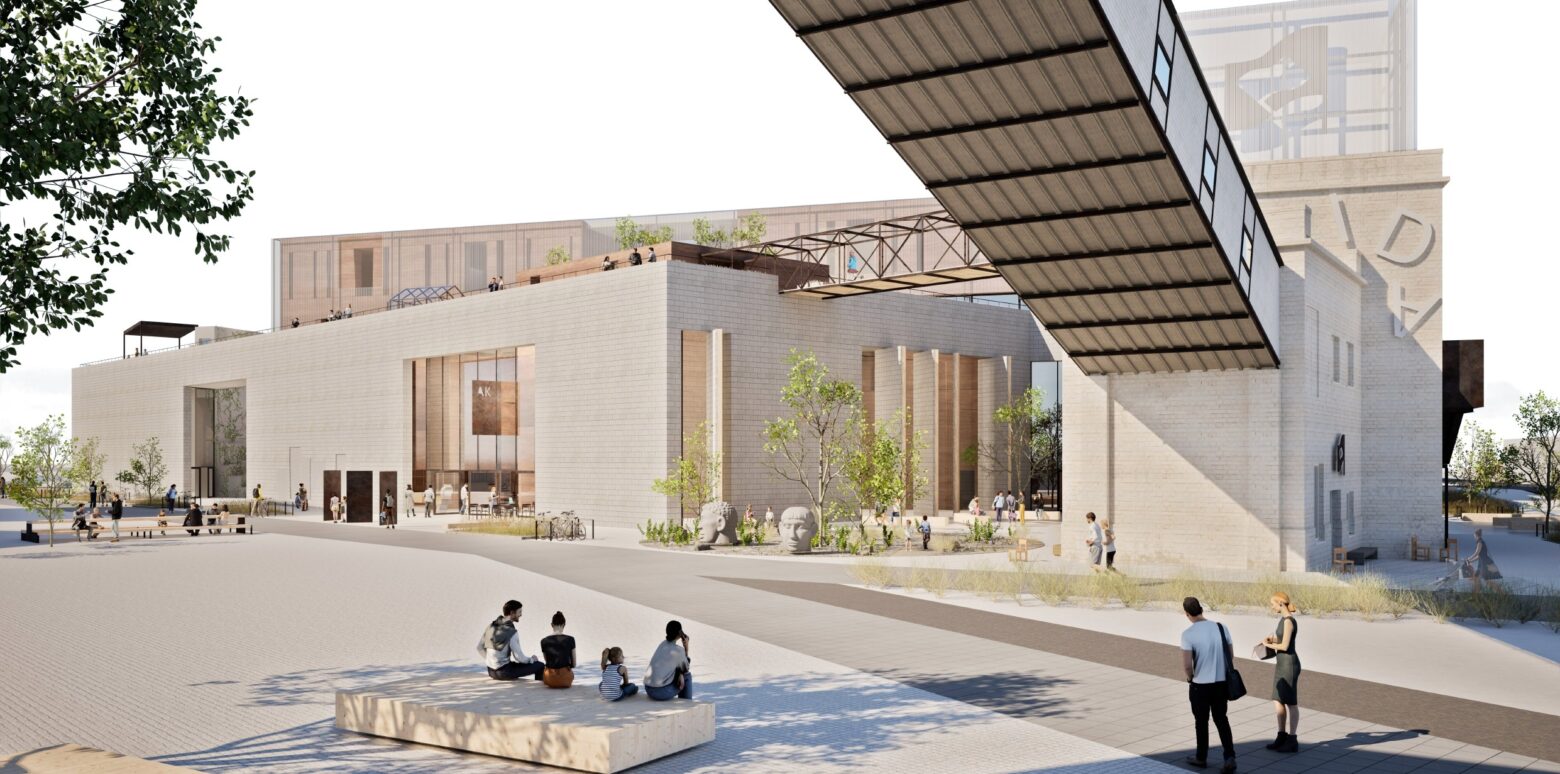
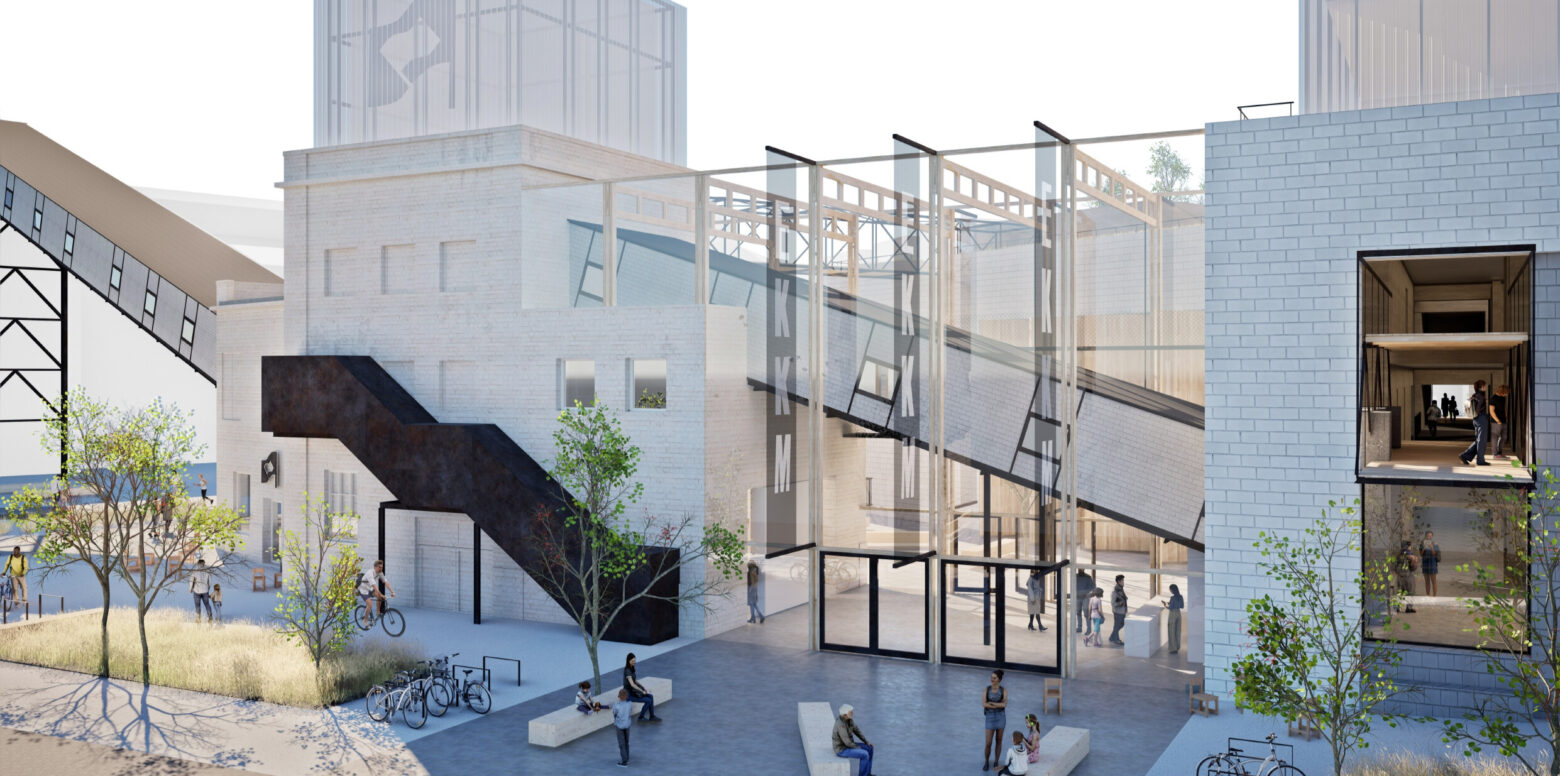
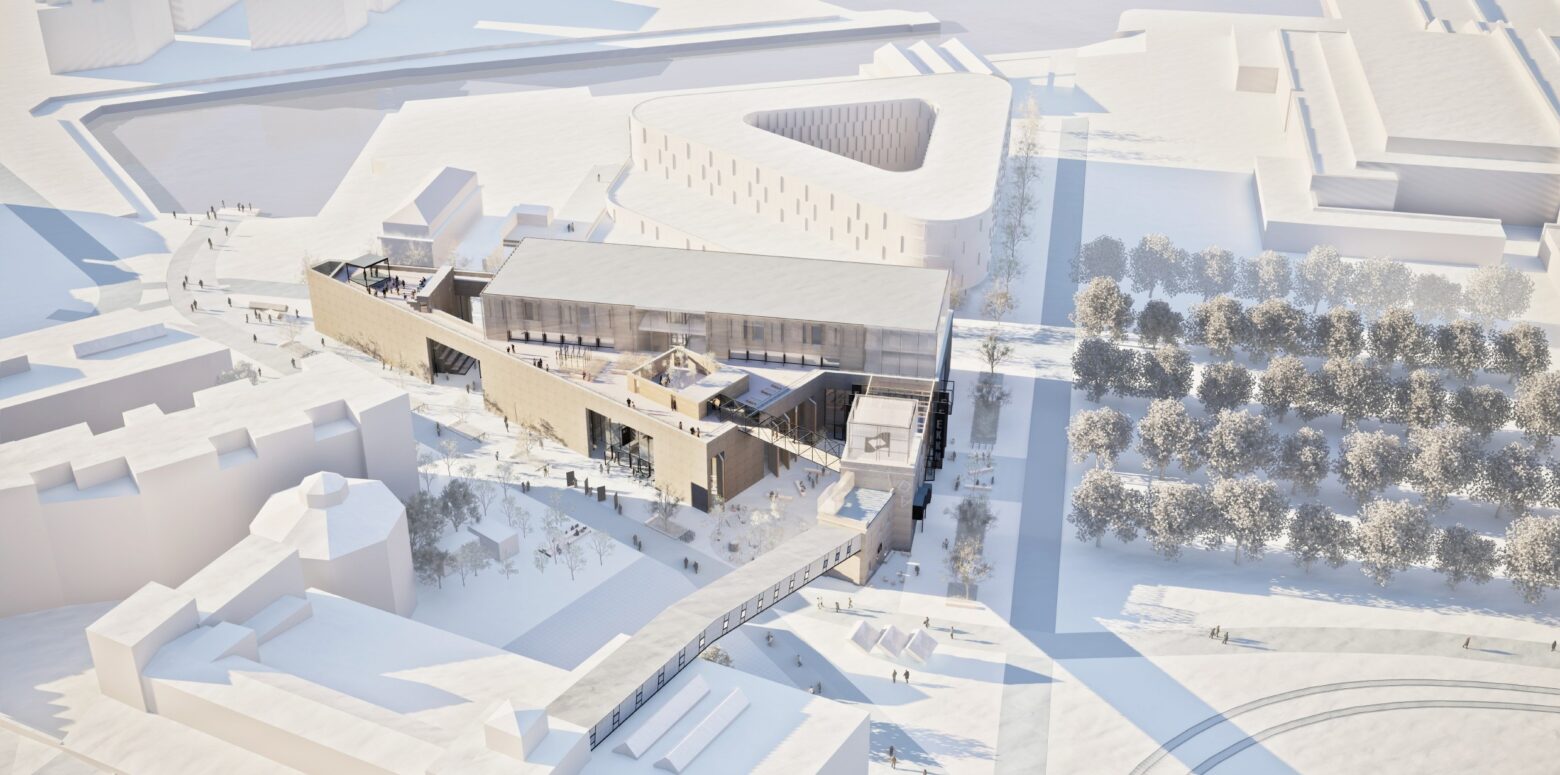
The architectural competition for the Open Collections building organized by the City of Tallinn was won by Kavakava Architects with the proposal “Sissevaade” (View Inside), authored by Siiri Vallner, Indrek Peil, and Ko Ai.
From left: Monika Haukanõmm, Indrek Peil, Sille Pihlak, Tiit Terik. Photo: Ellen Rudi, Tallinn Strategic Management Office.
“The concept of Tallinn’s Open Collections was born from the desire to bring our capital’s history out of the basements and closer to people. It is a vision of a modern memory institution that would bring together collections currently located at seven different addresses and largely hidden from the public into one coherent spatial whole,” said Monika Haukanõmm, Deputy Mayor responsible for culture and sports.
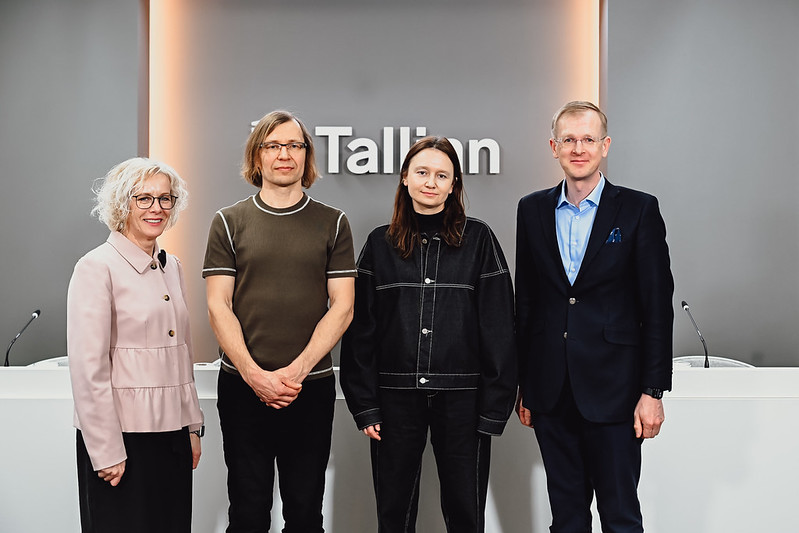
Vasakult Monika Haukanõmm, Indrek Peil, Sille Pihlak, Tiit Terik. Foto Ellen Rudi, Tallinna Strateegiakeskus
“Currently, only 3% of the Tallinn City Museum’s collections are on display. The open storage facility will enable exhibiting up to 60% of the museum’s holdings, while also giving insight to storage conditions as well as conservation and restoration processes.”
Haukanõmm added that what makes Tallinn a true world city is valuing its roots and identity – what makes it unique both for its residents and for visitors. “Our goal is that in 2027, for the 90th anniversary of the Tallinn City Museum, we will make a gift both to the museum and to the entire city by beginning the design of the Open Collections building.”
According to Deputy Mayor Tiit Terik, responsible for city property, the project represents a significant and large-scale investment that requires planning funds in the city budget. “The Open Collections building is a landmark investment included in Tallinn’s budget strategy. It will help make the city’s cultural heritage more visible and create better conditions for its preservation. The outcome of the architectural competition gives us a strong starting point for moving forward with the next steps in the coming years,” said Terik.
The aim of the architectural competition was to find the most suitable urban and functional solution for a museum complex of more than 12,000 m² planned along the Culture Kilometre. In the future, it will house the collections of the Tallinn City Museum, the Museum of Photography, and the Contemporary Art Museum of Estonia (EKKM).
“The Open Collections building will reveal the heritage of Tallinn to people, and transform museums from storage spaces into lively places of creativity, innovation, and dialogue, where new forms of exhibitions, education, and collaboration can emerge,” commented Heli Nurger, Director of the Tallinn City Museum and chair of the jury.
The first prize in the architectural competition was awarded to Kavakava for “Sissevaade”, authored by Siiri Vallner, Indrek Peil, and Ko Ai.
Second place went to “Kogu kvartal” (The Whole Block) submitted by OÜ Raev (Mihkel Raev), and third place to Processoffice with “Museoteek”, authored by Vytautas Biekša, Valdas Razma, Rūta Aleksejienė, and Kipras Mockevičius.
Encouragement awards were given to Arpana Architects for “Laegas” (Chest) by Elina Liiva, Anna Riin Velner Nunes, Mari-Liis Vunder, Marc Fischer, Karl Pops, and Sten Vendik, and to Lundén Architecture Company / Arhitekt 11 for their “Laegas”, authored by Maija Parviainen, Ron Aasholm, and Eero Lundén.
The architectural competition was launched by the Tallinn Property Department in September 2025. The total prize fund for the ideas competition was €87,000. The “Open Collections Building Ideas Competition,” conducted as a public procurement, received a total of 26 design proposals, which all qualified for evaluation.
The jury was chaired by Heli Nurger, Director of the Tallinn City Museum. Members included Hillar Sein, Head of the Tallinn Culture and Sports Department; Martin Siimer, Project Manager at the Construction and Procurement Department of the Tallinn Property Department; Kristjan Männigo, Head of the Planning Department of the Detailed Planning Service at the Tallinn Urban Planning Department; and representatives of the Estonian Association of Architects, expert architects Tiit Trummal and Toomas Adrikorn, as well as chartered architect Sille Pihlak.
PILDIALLKIRJAD:
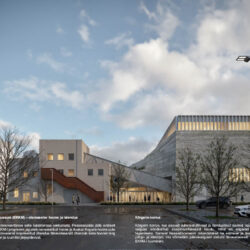
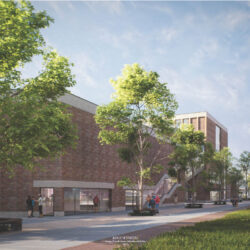
Sissevaade. View from the Culture Kilometre. Kavakava Architects — Siiri Vallner, Indrek Peil, Ko Ai.
Sissevaade. View from the Culture Kilometre. Kavakava Architects — Siiri Vallner, Indrek Peil, Ko Ai.
Sissevaade. Entrance to EKKM. Kavakava Architects — Siiri Vallner, Indrek Peil, Ko Ai.
Sissevaade. Aerial view. Kavakava Architects — Siiri Vallner, Indrek Peil, Ko Ai.
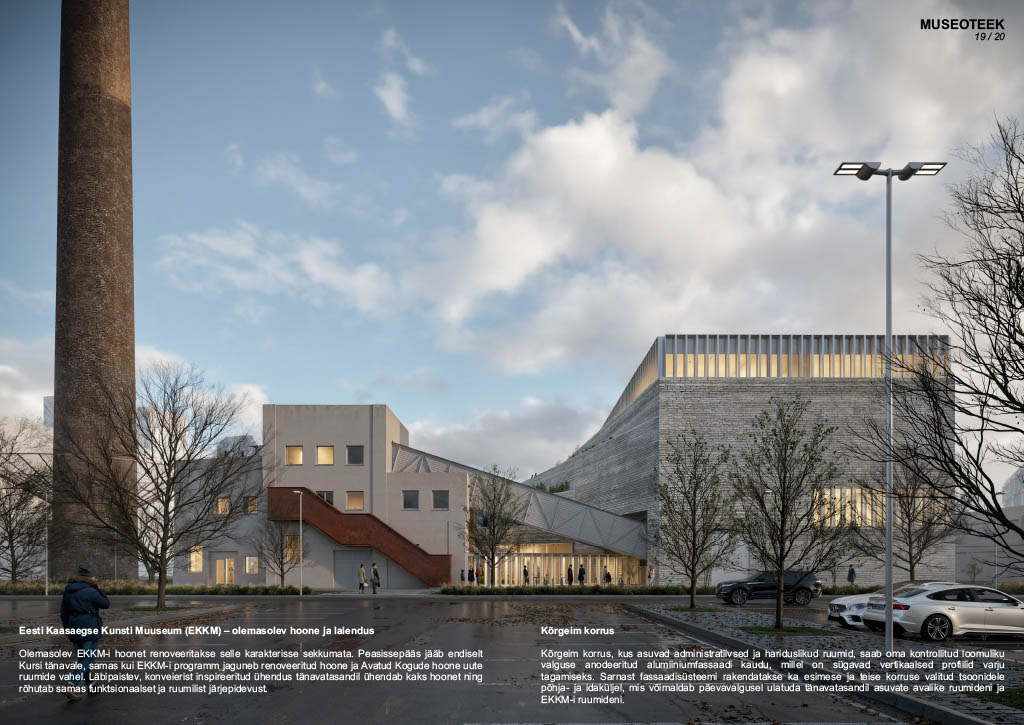
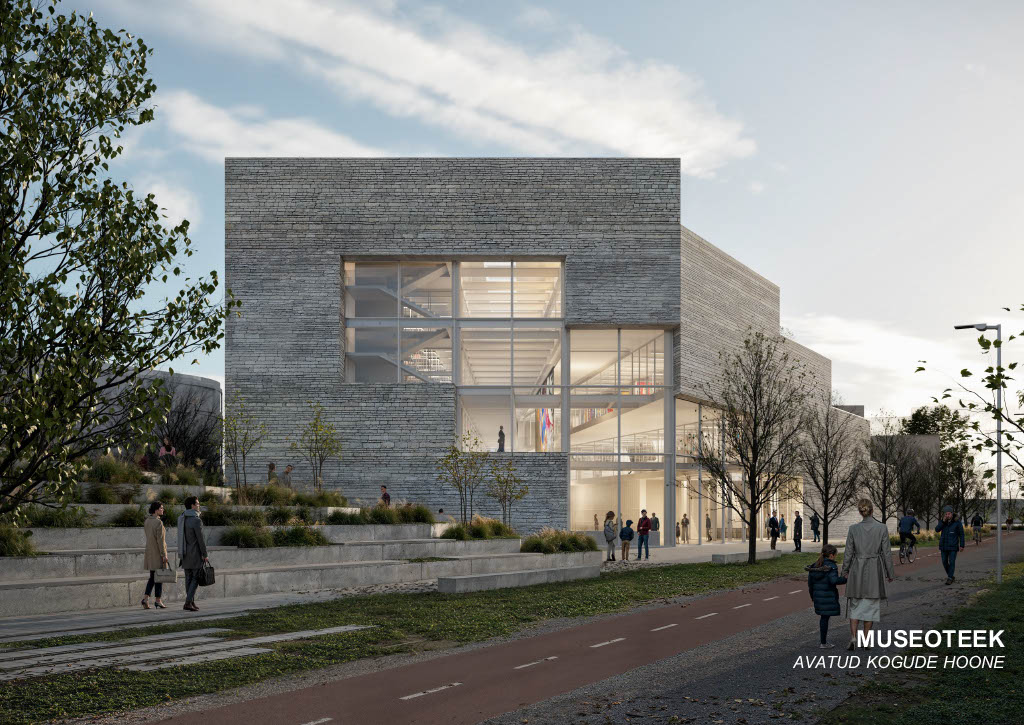
Museoteek. Architecture practice Processoffice — Vytautas Biekša, Valdas Razma, Rūta Aleksejienė, Kipras Mockevičius.
Museoteek. Architecture practice Processoffice UAB — Vytautas Biekša, Valdas Razma, Rūta Aleksejienė, Kipras Mockevičius.
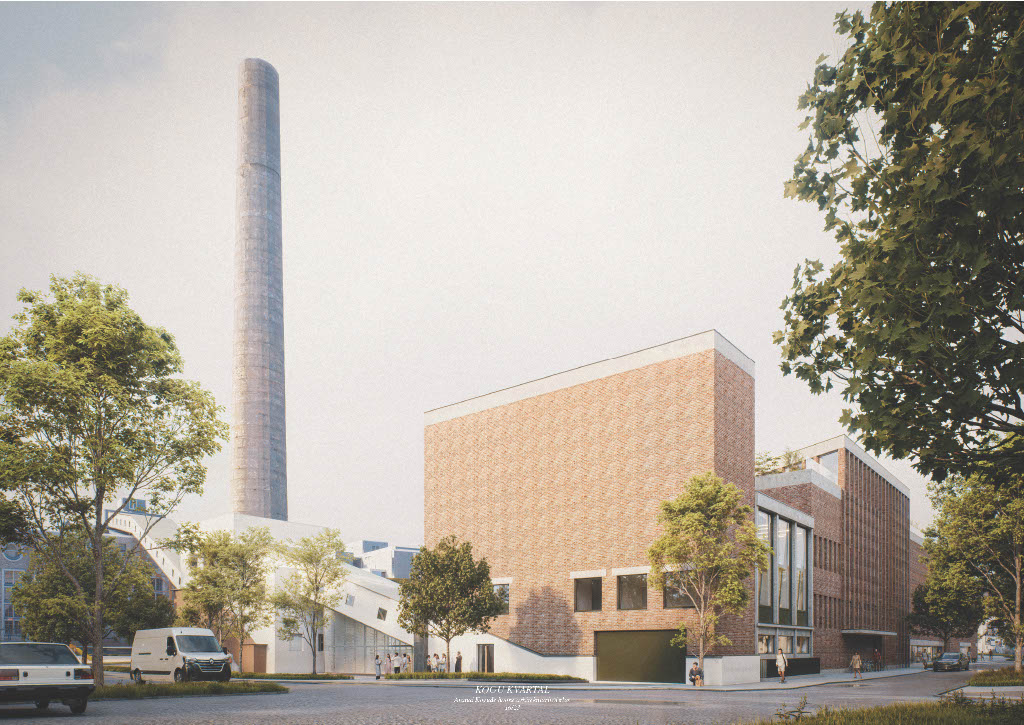
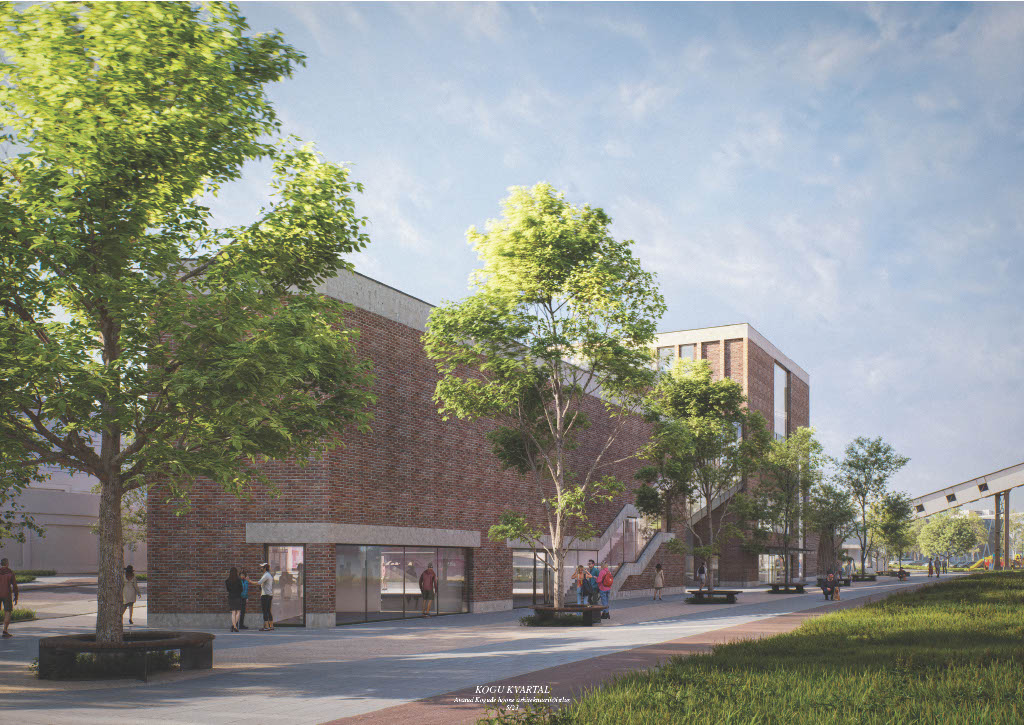
Kogu kvartal. OÜ Raev — Mihkel Raev.
Kogu kvartal. OÜ Raev — Mihkel Raev.
-
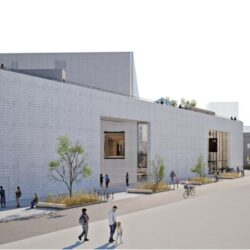 Sissevaade Kultuurikilomeetrilt. Autor arhitektuuriburoo Kavakava-OÜ Siiri Vallner, Indrek Peil, Ko Ai
-
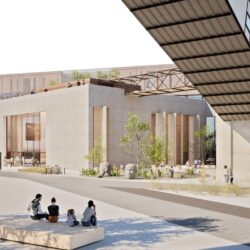 Sissevaade. Vaade Kultuurikilomeetrilt. Autor arhitektuuriburoo Kavakava-OÜ Siiri Vallner, Indrek Peil, Ko Ai
-
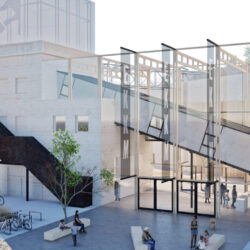 Sissevaade. EKKMi-sissepaas_Autor_arhitektuuriburoo-Kavakava-OU-Siiri-Vallner-Indrek-Peil-Ko-Ai
-
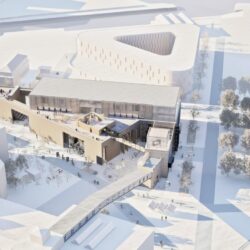 Sissevaade. Õhuvaade. Autor arhitektuuriburoo Kavakava-OÜ Siiri Vallner, Indrek Peil, Ko Ai
-
 Museoteek. Autor arhitektuuriburoo Processoffice UAB, Vytautas Bieksa, Valdas Razma, Ruta Aleksejiene, Kipras Mockevicius
-
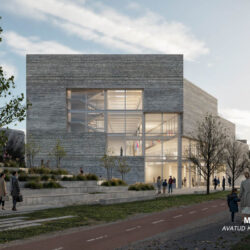 Museoteek. Autor arhitektuuriburoo Processoffice UAB, Vytautas Bieksa, Valdas Razma, Ruta Aleksejiene, Kipras Mockevicius
-
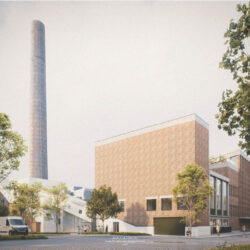 Kogu kvartal. Autor OÜ Raev, Mihkel Raev
-
 Kogu kvartal. Autor OÜ Raev, Mihkel Raev