
Exhibition at the People’s Museum of Tallinn: Stories of a Young Capital. The Vibrant Twenties.
The new exhibition at the People’s Museum of Tallinn explores the history of the young capital and the lives of its residents in the dynamic 1920s.
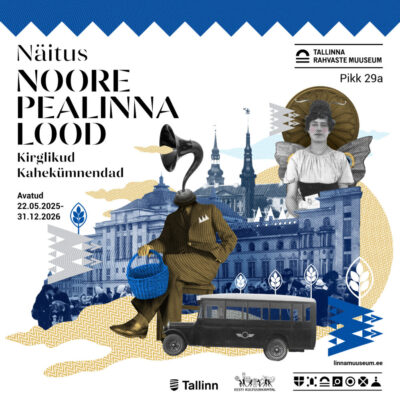
After the upheavals of two wars, the fall of the Russian empire, and the birth of the Republic, a sense of peace finally settled over Estonia. Yet the echoes of past struggles lingered: thousands of refugees and jobseekers faced the challenges of a new era and a rapidly changing economy.
At the same time, a wave of innovation was reshaping everyday life. Music played over the radio for the first time, families moved into newly built “Tallinn houses”, electric trams glided through the city, and Estonian airlines took to the skies. Tallinn in the 1920s was a place of striking contrasts and boundless hope.
In 2025, one hundred years will have passed since the adoption of the Cultural Autonomy Act. This milestone inspired the creation of an exhibition showcasing the diverse stories of Tallinn’s residents in the 1920s. Daily life of the era is revealed through the stories of twelve characters, each with different backgrounds and destinies. All their paths cross in the heart of young Tallinn — at the New Market — where people discussed the latest news, discovered technological and cultural innovations, and held important meetings.
The exhibition’s visual language is inspired by the architecture of the Riigikogu building, constructed on Toompea in the early 1920s. Exhibition artist Jekaterina Poltavets plays with geometric lines that echo the rhythm of the era’s interior design. The colour palette draws on the dignified atmosphere of the parliamentary chamber, creating a visual bridge between past and present.
See you at the New Market!
-
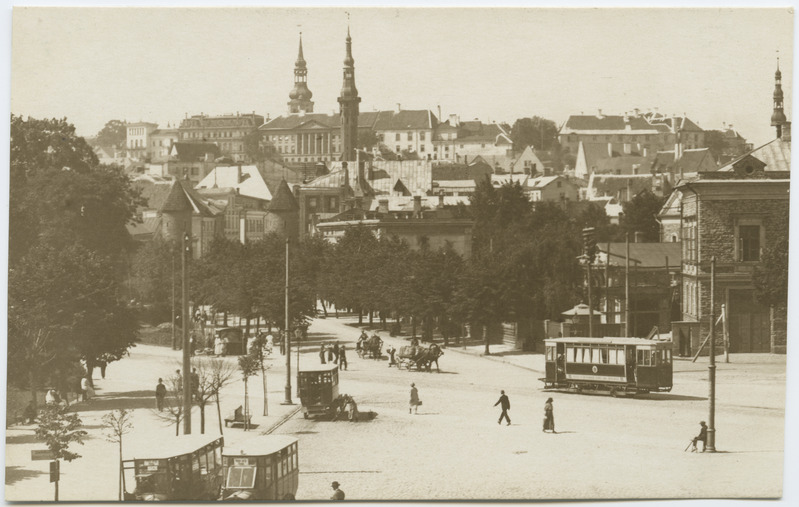
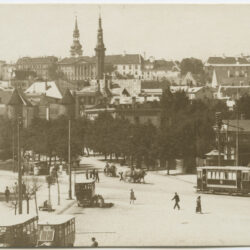 Tallinn, view of the corner of Viru Street and Pärnu Road from Viru Square, TLM F 8432:9
-
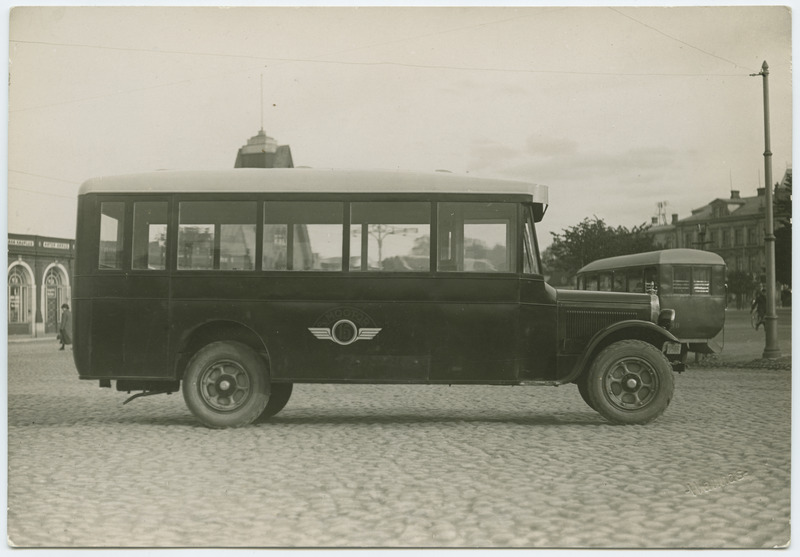
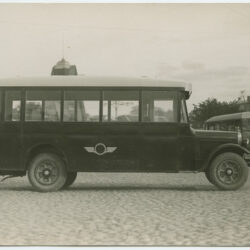 Tallinn, bus in front of the Kalev Sports Ground, TLM F 8369
-
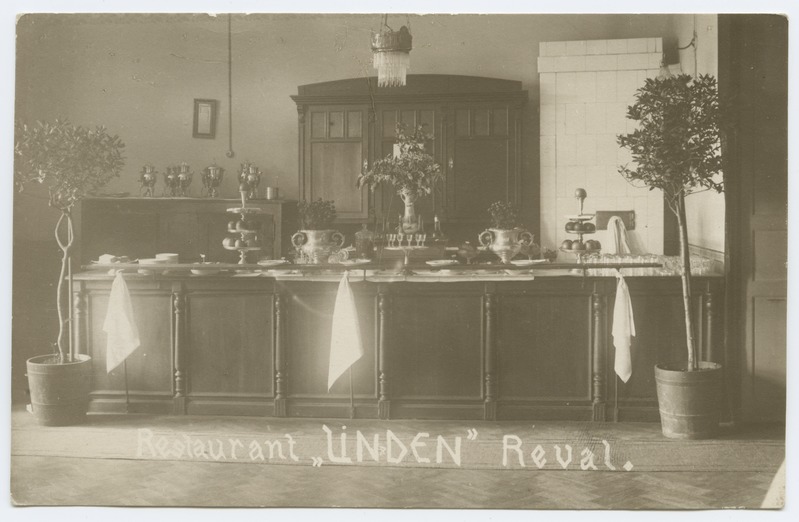
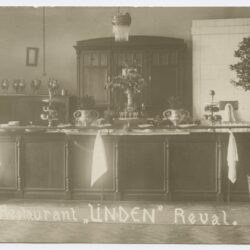 Tallinn, interior of the Linden Restaurant, TLM F 10735:166
-
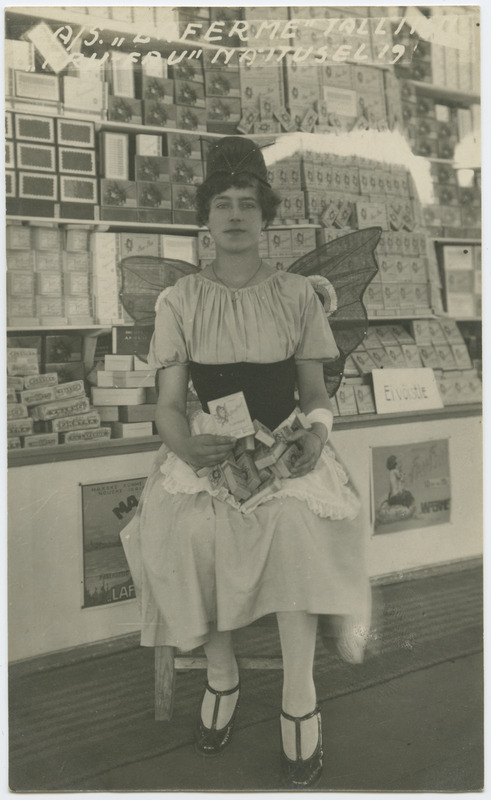
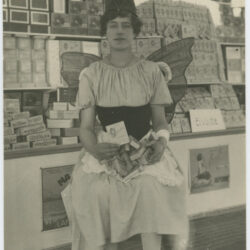 “Laferme” Tobacco Factory at an exhibition in Tallinn, TLM F 7872:5
Exhibition curators: Maaja Gundjajeva, Denis Jatsenko
Consultants: Toomas Abiline, Anu Kannike, Tõnu Pedaru, Aleksei Šiškin
Exhibition designer: Jekaterina Poltavets (Katline Graphic Design)
Exhibition architecture: Aleksei Kalatšov (KLÖST)
Exhibition production and installation: Random Solutions
Sound design: Aleksandr Žedeljov
Technical consultant: Ivo Kõvamees (AVITRON)
Exhibition team: Kristjan Arunurm, Lauri Frei, Kristiina Hiiesalu, Karoli Loo, Reeli Kork, Irina Krivorukova, Tiina Kulikova, Meeli Küttim, Andres Lall, Risto Paju, Ando Pajus, Leo Savila, Liza Sedler, Katherine Seinre, Merle Tank, Tina Timonen, Triinu Tuvi-Kusterle, Eve Veigel
Acknowledgements
Evelyn Bernard, Gennadi Gramberg ja Eesti Juudi Muuseum, Erkki Hein, Kaljo Kahro, Indrek Kikas, Hanna Kruusi, Lennart Kumm, Kerli Kurikka, Sven Kütt, Meeli Küttim, Laantee Reintamm perekond, Katrin Lagerest, Yaroslava Maksimilenko, Matis Mäesalu, Meinar Mäesalu, Heli Nurger, Markus Puusild, Maris Rosenthal, Natalia Russetski, Peeter Reštšinski, Mari-Leen Tammela ja Eesti Sõjamuuseum – kindral Laidoneri muuseum, Elen Tisler, Urve Valdoja, Dania Vares
BnF / Gallica, Eesti Ajaloomuuseum, Eesti Arhitektuurimuuseum, Eesti Kunstimuuseum, Eesti Meremuuseum, Eesti Rahva Muuseum, Eesti Teatri- ja Muusikamuuseum, Järvamaa Muuseum, Rahvusarhiiv, Saaremaa Muuseum, Tallinna Tehnikaülikooli muuseum, the UCSB Cylinder Audio Archive, Virumaa Muuseumid, Võrumaa Muuseum
Supported by Cultural Endowment of Estonia.
The exhibition is open from 22 May 2025 to 31 December 2026.